
Service
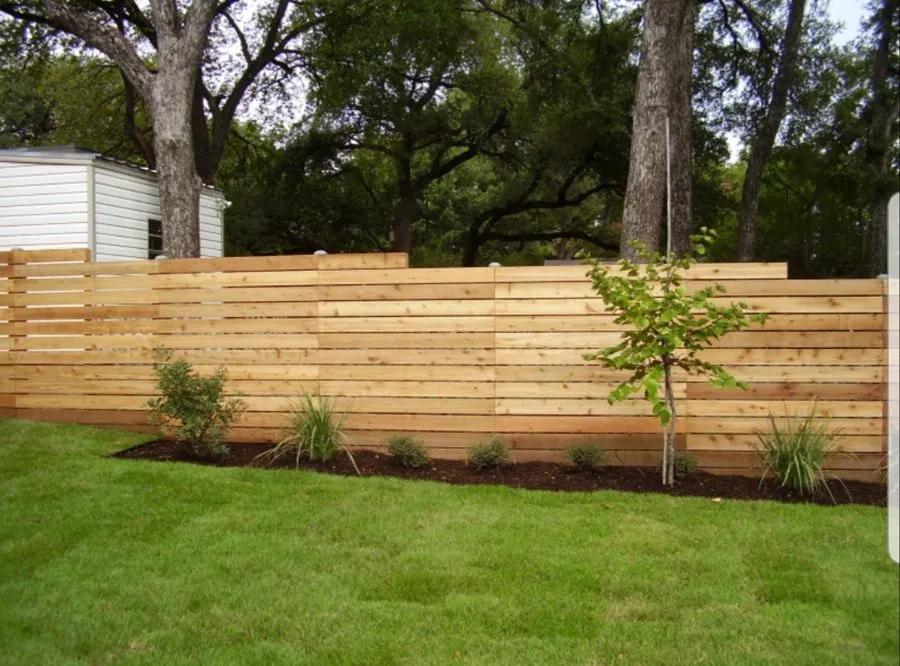
Ground Screw Foundations for Fencing & Railings
From garden fences to school railings: a quicker, cheaper alternative to a concrete base, with different screws suited to different soil conditions.
Posts loaded the same day they go in
- Development, supply and installation under one roof
- One of the UK's biggest independent ground screw distributors
- Screws made from 70% recycled galvanised steel
- Around 70% faster and cheaper than digging
- No excavation, no concrete, no spoil to remove
What fencing involves
Fence and railing posts are normally concreted in, which means a hole per post, a mixer on site and a day lost before anything can be hung. Ground screws carry the post directly, loaded as soon as they are driven.
Screw type is matched to the soil across the line, so a run that changes from made ground to clay is still consistent in performance.
Who it is for
Domestic fencing, school and site railings, commercial boundaries and any run where downtime between post setting and panel fixing is a problem.
It is also the answer along lines with tight access, near tree roots, or where a concrete-free boundary is required.
When it is needed, and why specialist installation matters
Screws suit any fence or railing line where downtime between setting posts and hanging panels is a problem: a boundary that has to be secure the same day, a school or site railing installed in a holiday window, or a run through a finished garden or car park.
They are also the practical option where digging is unwelcome: tight access, tree roots, buried services, and surfaces nobody wants broken out and made good.
Specification matters more on fencing than people expect. Boundary lines rarely run through one consistent soil type, and screws matched to the ground along the line are what keep post performance even from one end of the run to the other.
What happens if it is left
The cost of leaving it another winter
Concrete-set posts are slow to install and slow to repair. One rotten post usually means breaking out a concrete plug before a new one can go in.
Digging a fence line across a finished garden or car park also creates spoil and surface damage that somebody has to make good.
A screwed post line goes in cleanly, panel by panel, in a single visit.
Common mistakes we are called in to undo
- Assuming concrete is the only option, and paying for excavation, spoil removal and curing time you do not need.
- Setting posts in concrete on ground with services below, where a screw could have been positioned and driven safely instead.
- Buying screws without checking the soil conditions or the load, so the wrong length and diameter go in.
- Starting a build on foundations that were never set properly to level, and packing the structure to compensate later.
Our process
How a fencing job runs, from first call to handover
Step 1
Request a call back
You send the form or call us. We ask what you are building, where it is going and what the access is like, so nobody wastes a visit.
Step 2
Estimate over the phone
We give you an estimate there and then based on the structure, the loads and the number of screws the job needs. No obligation to go further.
Step 3
Site visit and assessment
If you are happy with the estimate, we visit and assess the full requirements: ground conditions, levels, services below ground and the screw specification.
Step 4
Installation
Our qualified installers drive the screws in with practical handheld equipment, to the surveyed positions and levels, with total precision and no excavation.
Step 5
Hand over, ready to build
Screws are set to level, the ground is left as we found it, and you can start building the same day. No curing time, no spoil, no skip.
What you get
The results this work is actually bought for
No digging and no concrete
The foundation is driven into undisturbed ground. Nothing is excavated, nothing is poured, and there is no spoil to get rid of.
Usually finished in a few hours
Most installations are completed in a single visit, so the build on top can start straight away instead of waiting on a cure.
Works in any weather, any soil
Ground screws are designed for year-round installation and suit all soil types, even on hillsides, so winter does not stop the job.
Cheaper overall
Around 70% faster and cheaper to assemble than normal ground digging, with no skip hire, no muck away and far less labour on site.
Reusable and removable
Made from 70% recycled galvanised steel. The soil stays unsealed, so the foundation can be unwound and reused elsewhere later.
In detail
Fencing: materials, methods and where it applies
Matching screws to soil
Different screws suit different soil conditions, and boundary lines rarely run through one consistent ground type. We assess along the line and specify accordingly rather than using one screw everywhere.
Driving to a set resistance gives a consistent post performance along the whole run.
Repairs and alterations
A damaged post can be unbolted and replaced without breaking out a foundation, which keeps long-term maintenance cheap.
Gates, returns and later extensions can be added to the same system at any point.
Read moreShow less
Fence types and screw selection
Close-board and panel fencing loads posts mainly in wind, so screw length and diameter come from panel height, exposure and the soil at each position rather than a single standard detail.
School and site railings, mesh systems and commercial boundaries carry higher impact and security expectations, and are specified accordingly.
Gate posts are treated as a separate case entirely, the swing load from a heavy gate is several times a fence post's, so we allow for the gate size and weight in the specification rather than using the run detail.
Maintenance, alterations and removal
A damaged post unbolts from the head plate and is replaced without excavating a foundation, which keeps long-term maintenance on a long boundary genuinely cheap.
Gates, returns and later extensions bolt into the same system at any point, so a line can be altered as a site changes.
For temporary boundaries and rented land, screws come out cleanly and are reusable, leaving no concrete plugs in the ground.
Domestic gardens and commercial boundaries
On a domestic boundary the value is in the finish and the timescale: no spoil heaps on the lawn, no mixer on the drive, panels hung the same day the posts go in, and a garden that looks untouched either side of the line.
On commercial and institutional work, schools, depots, car parks, compounds; the value is in security and disruption. A boundary that takes load immediately means a site is enclosed within the visit rather than left open overnight waiting on concrete.
Both use the same handheld installation method and the same galvanised screws; only the specification, the survey detail and the sequencing around other trades change.
Not sure this is the right specification for your wall? See all of our services, the areas we cover, or go back to the homepage.
FAQs
Fencing questions we are asked most
Can screws take a gate post?
Gate posts see much higher loads than fence posts, so they are specified separately. Tell us the gate size and weight and we will allow for it.
Do you install the fencing as well?
Our specialism is the foundation. We work alongside fencing contractors, or install for you where the scope suits.
How long does the installation take?
Most jobs are completed in a few hours, in a single visit. Larger commercial installations are programmed around your site, but there is never any curing time to wait on.
Is there any mess?
Very little. There is no excavation, no concrete and no spoil, so no skip is needed and the surrounding ground is left largely as we found it.
Will ground screws work in my soil?
Ground screws suit all soil types, even on hillsides, and different screws suit different conditions. We confirm the specification when we assess the site.
Can the foundations be removed later?
Yes. The soil is never sealed, so screws can be unwound and reused. That is one of the reasons they suit temporary and relocatable structures so well.
How much will it cost?
Cost depends on the number of screws, their specification and the access on site, so we price each job rather than publishing a rate. Send the details or call us and you will get an estimate over the phone before anybody visits.
How long will the foundation last?
The screws are galvanised steel made from 70% recycled material, so the shaft in the ground is corrosion-protected for the life of the structure above it, and unlike a concrete base it can be unwound, moved and reused rather than broken out.
Can you install in winter or wet weather?
Yes. Ground screws are designed for installation all year round and there is no concrete to protect while it cures, so weather that would stop a dig and pour does not stop us.
Which areas do you cover?
We install across Liverpool, Merseyside, Sefton, Wirral, Knowsley, St Helens, Warrington, Cheshire and the wider North West, and we supply ground screws nationally as one of the UK's biggest independent distributors.
Related work
Often carried out alongside this
Site hoardings
Solid hoarding foundations installed in hours so a site can be secured against intruders straight away.
Read moreDecking
Decking mounted straight onto the screws: no post holes, no concrete sets, no waiting for cure times.
Read moreGround screw supply & development
One of the UK's biggest independent distributors: screws, drivers and bespoke development for your own project.
Read moreFree quote
Fence line to install?
Give us the length, the post spacing and the type of fence. We will price the foundation and tell you when we can be there.
- Development, supply and installation under one roof
- One of the UK's biggest independent ground screw distributors
- Screws made from 70% recycled galvanised steel
- Around 70% faster and cheaper than digging
- No excavation, no concrete, no spoil to remove
No obligation. We'll ask a few questions about the project and give you an estimate over the phone. Prefer to talk now? Call 0151 530 1825.